INFO
More Information About SanYue


In modern industrial production, fans are often referred to as the "lungs" of the equipment. However, in certain specialized industries—such as chemical pickling, electroplating workshops, or heat treatment production lines—these "lungs" are constantly subjected to extreme duress. Faced with the three major threats of high temperature, high humidity, and severe corrosion, many fans that appear to meet standard specifications often fail within just three months of operation—exhibiting excessive vibration, perforated blades, or even burnt-out motors. From the perspective of engineering practice, how does one approach fan selection scientifically? This involves looking beyond mere airflow volume and air pressure; it is, fundamentally, a strategic interplay between materials science and structural engineering.
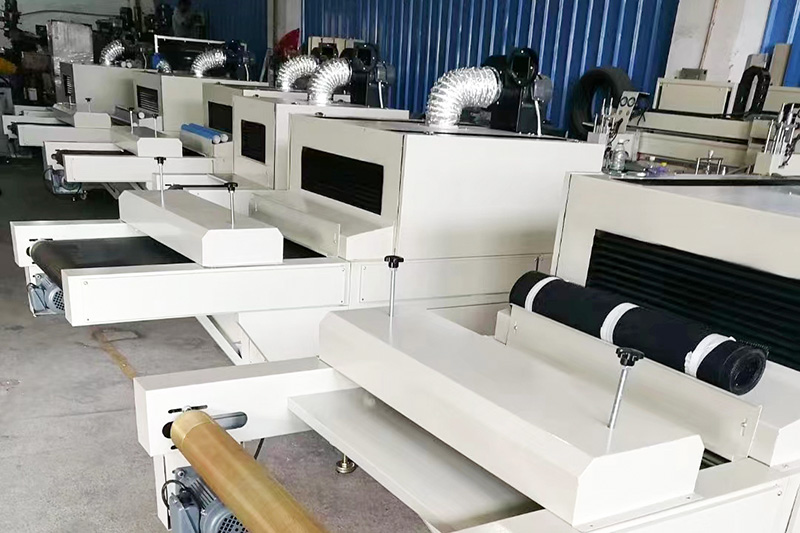
I. High-Temperature Environments: Beyond Heat Resistance—A Battle Against Thermal Expansion
When the ambient temperature exceeds 80°C, ordinary fans begin to enter a "fatigue phase."
1. Thermal Isolation of the Drive System: Many assume that simply switching to high-temperature-resistant bearings is sufficient. In reality, the critical factor is the heat dissipation of the bearing housing. An optimal selection strategy employs a "split-type" structure or incorporates an aluminum cooling impeller on the main shaft to dissipate heat from the drive assembly via forced convection.
2. Coil Insulation Class: The motor must be selected with Class H (180°C) insulation and paired with a variable frequency drive (VFD) to provide real-time thermal protection.
3. Thermal Compensation for the Casing: Metals undergo physical expansion at high temperatures. If the design fails to incorporate adequate clearance for thermal expansion, the impeller is highly susceptible to physical friction against the casing, potentially leading to major mechanical failures.
II. High-Humidity Environments: Don't Let Moisture Become an "Invisible Killer"
In environments such as paper manufacturing, food processing, or cooling towers, air humidity frequently hovers near 100% year-round. The core challenge here lies in the intrusion of condensation into the fan's internal structures.
• The Pitfalls of Protection Ratings: Many products are marketed with IP54 ratings or higher; however, under conditions of sustained high humidity, the motor's terminal box remains vulnerable to the "breathing effect" (where thermal expansion and contraction cause it to inhale moist air). The professional solution involves fully sealing the unit with potting compound and incorporating a well-sealed drainage hole at the lowest point of the motor casing.
• Surface Coating Processes: Traditional paint coatings are highly prone to blistering and peeling in high-humidity environments. It is recommended to employ electrostatic powder coating followed by high-temperature baking to ensure optimal adhesion between the paint film and the metal substrate.
III. Highly Corrosive Environments: Material Selection Determines Service Life
This constitutes the most expensive—and most error-prone—stage of the equipment selection process. The "corrosive bite" of acidic or alkaline gases often exceeds all expectations.
Environment Type | Recommended Material Solution | Key Rationale
Mild Acid Mist | 304 Stainless Steel | Balances structural strength with basic oxidation resistance.
Strong Acids (Hydrochloric Acid, Hydrofluoric Acid) | Fiberglass (FRP) or PP Material | Plastic materials possess inherently superior chemical stability.
Coastal Salt Mist Environments | 316L Stainless Steel + Epoxy Coating | Salt mist poses an extremely severe risk of pitting corrosion, necessitating a dual-layer protection strategy.
Engineering Tip: Do not overlook the fasteners (screws and washers). In many instances, the main body of the fan remains intact, yet the connecting screws rust through and snap, rendering the entire unit irreparable.
Summary of Pitfalls to Avoid: Three Essential Recommendations
1. Dynamic Balance is the Lifeline:
In extreme environments, even minor dust accumulation on the blades or uneven corrosion can disrupt dynamic balance. When selecting equipment, prioritize units equipped with automatic, real-time vibration monitoring systems.
2. Reject "Inflated" Specifications:
Many manufacturers list airflow volumes based on standard ambient temperatures. However, in high-temperature environments, air density decreases significantly, resulting in a drastic reduction in actual air pressure. Therefore, density correction calculations are absolutely essential during the selection process.
3. Prioritize Ease of Maintenance:
For fans operating in extreme environments, it is imperative to select a design featuring an "easily detachable structure." If a bearing failure requires dismantling half of the workshop's ductwork just to perform a replacement, the long-term operational and maintenance costs of such a design will prove catastrophic.

Address:No. 6, Xinji Lane 1, Yuanjiayong, Zhongtang Town, Dongguan City, Guangdong Province
Website:https://www.sanyuejd.com
E-mail:service@sanyuejd.com

