INFO
More Information About SanYue


Against the macro backdrop of the low-carbon transition, the industrial sector in 2026 is no longer solely pursuing "airflow volume" and "air pressure." With the nation once again tightening energy efficiency standards for electric motors, the centrifugal fan industry has officially entered an era dominated by Level 1 energy efficiency. For purchasing managers and equipment engineers, a misstep in equipment selection not only translates into exorbitant electricity bills but also carries the risk of exceeding carbon emission limits and facing frequent maintenance issues.
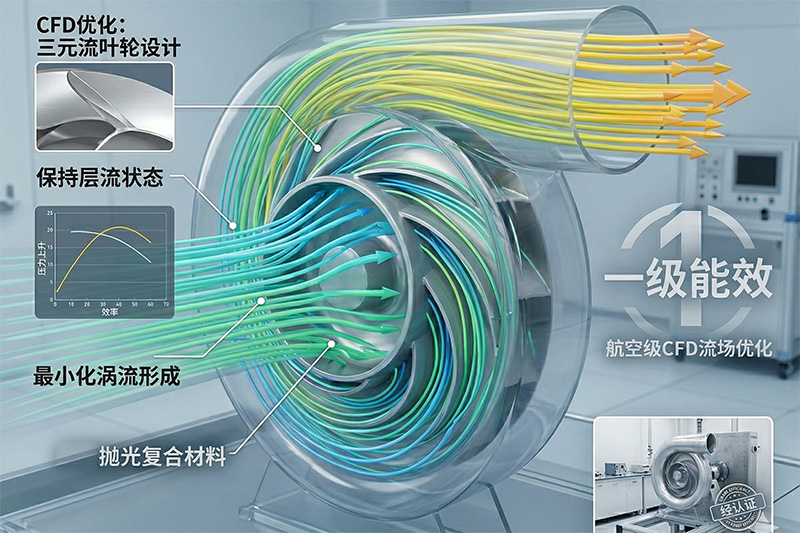
I. Why is "Level 1 Energy Efficiency" a Mandatory Requirement in 2026?
In the past, many manufacturers were accustomed to the "overkill" approach—using oversized motors to ensure sufficient airflow. Today, however, this practice is being phased out by the market.
Shifting Energy Cost Models: Over the entire lifecycle of a centrifugal fan, the initial purchase price accounts for only about 15% of total expenditure, while operating electricity costs consume over 80%. Compared to Level 3 efficiency fans, Level 1 efficiency fans typically save 10% to 15% on electricity consumption under identical operating conditions. Starting in 2026, industrial parks in many regions have begun incorporating energy efficiency levels into their annual audits. Selecting equipment that falls below Level 2 energy efficiency standards could directly impact an enterprise's green performance metrics.
II. The Three Major "Pitfalls" in Fan Procurement for 2026
During the actual inquiry and comparison process, buyers often fall into the following traps:
1. Misleading Specifications: The Motor Meets Standards, but the Complete Unit Does Not
Many suppliers boast about using Level 1 energy efficiency motors; however, the overall unit efficiency (static pressure efficiency) is often severely compromised due to outdated impeller designs or obstructed airflow channels within the volute casing.
How to Avoid This Pitfall: Request that the manufacturer provide actual test reports for the "integrated electromechanical system," and verify whether the overall unit efficiency complies with the latest GB standards.
2. Neglecting Energy Efficiency Performance Under "Variable Operating Conditions"
Centrifugal fans often perform exceptionally well at their rated operating points within a laboratory setting; however, airflow volume frequently fluctuates during actual production operations.
How to Avoid This Pitfall: Examine the fan's efficiency curve across a load range of 60% to 110%. A superior Level 1 efficiency fan should possess a wider high-efficiency operating zone, enabling it to work in conjunction with variable frequency drive (VFD) technology to achieve "on-demand allocation" of airflow. 3. The Low-Price Trap: Sacrificing Service Life for Energy Efficiency
To artificially boost energy efficiency ratings, some smaller manufacturers blindly narrow blade clearances or utilize lightweight, thin materials to reduce rotational inertia. This practice often leads to severe vibration and accelerated wear within just one year of operation.
How to Avoid This Pitfall:Prioritize a thorough inspection of the impeller material, bearing brand, and dynamic balance grade. True high efficiency stems from precise fluid dynamics engineering—not from compromising structural integrity.
III. What Does a "Grade 1 Energy Efficiency" Centrifugal Fan Look Like?
The mainstream high-efficiency fans of 2026 typically feature the following technical characteristics:
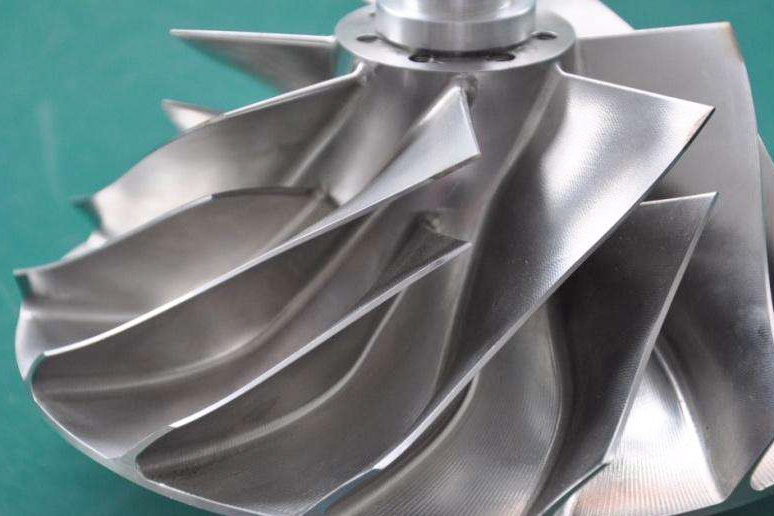
3D Flow Theory Impellers:Employing aerospace-grade CFD (Computational Fluid Dynamics) simulations to minimize vortex losses within the impeller.
High-Precision Air Gap Control:Maintaining a clearance of just a few millimeters between the volute casing and the impeller to reduce energy losses caused by internal air leakage.
Intelligent Monitoring Modules:Featuring built-in vibration and temperature sensors that provide real-time operational feedback, thereby preventing the decline in energy efficiency caused by operating the equipment under abnormal or "unhealthy" conditions.
IV. How to Formulate Your 2026 Procurement Plan?
If you are currently planning a new project or equipment upgrade, we recommend following these steps:
Prioritize Energy Efficiency Calculations: Do not focus solely on the unit price. Request that manufacturers provide a comparative analysis of energy efficiency returns over a 3-to-5-year period (a Total Cost of Ownership, or TCO, analysis).
Verify On-Site Operating Conditions: Ensure that the manufacturer fully understands the specific medium being conveyed (including dust content, humidity, and temperature). If a Grade 1 energy efficiency fan is improperly selected for the application, its efficiency will degrade much faster than that of a standard fan.
Focus on Digital Interfaces: By 2026, most factories will be fully networked; therefore, ensure that the standard communication protocols built into the fan can integrate seamlessly with your central control system.
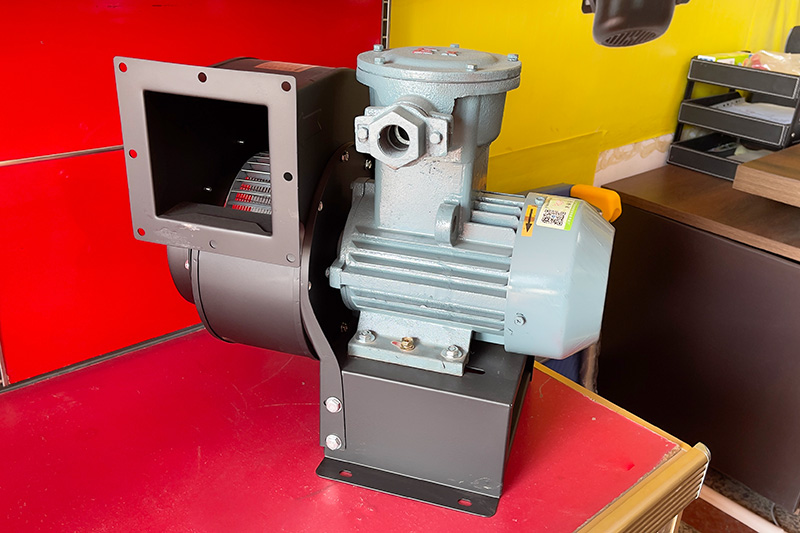
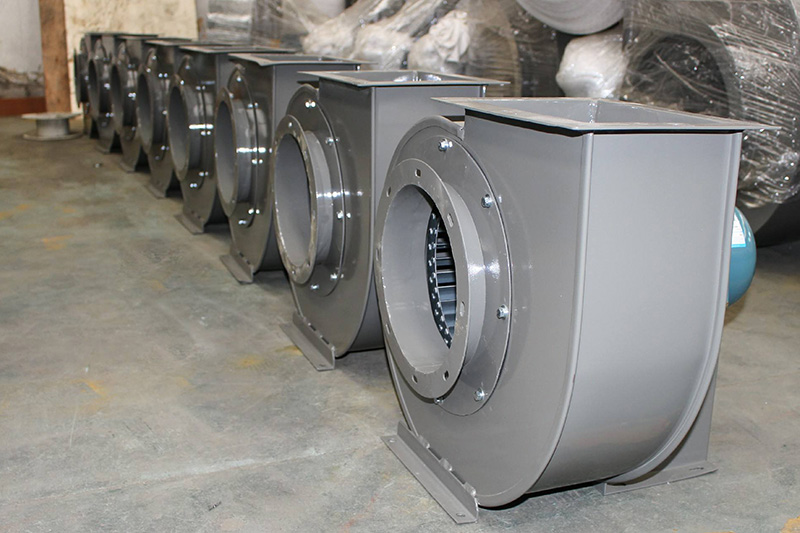
The era of "Grade 1 Energy Efficiency" in centrifugal fans serves as a rigorous filter for manufacturers' production capabilities—and a critical test of your own procurement decision-making skills. By choosing partners who possess strong R&D capabilities and can provide comprehensive technical data support, you ensure that your production lines are "light and agile"—and ready to thrive in the competitive landscape of the future. Dongguan Sanyue Precision Electromechanical Co., Ltd. is a technology-driven enterprise specializing in the integrated R&D, manufacturing, sales, and after-sales service of a comprehensive range of air-handling products—including various specifications of high-temperature centrifugal fans, high-temperature motors, and long-shaft motors. We are dedicated to empowering industrial enterprises to achieve green growth. Our products have obtained numerous certifications, including CE, FCC, and RoHS. Contact: +86-139-2845-2905 (Mr. Chen),service@sanyuejd.com.

Address:No. 6, Xinji Lane 1, Yuanjiayong, Zhongtang Town, Dongguan City, Guangdong Province
Website:https://www.sanyuejd.com
E-mail:service@sanyuejd.com

